Blog
Sugar-Free Chocolate in Lahore: What to Check Before You Buy

Walk into most grocery stores in Lahore and you’ll find a small shelf, sometimes just a single row, labeled “diabetic” or “sugar-free” chocolate. Pick one up and read the back. More often than not, the second ingredient is maltitol or a syrup that behaves almost exactly like sugar once it hits your bloodstream. The label isn’t lying, technically. It’s just not telling you the whole story.
That gap between what the front of the box says and what the ingredient list actually contains is the reason so many people give up on sugar-free chocolate after one bad experience. They assume the category doesn’t work for them. Usually it’s the specific product that doesn’t work, not the concept.
Sugar-free doesn’t always mean carb-free
This trips up more people than anything else. A chocolate bar can legally say “no added sugar” while still using maltitol, a sugar alcohol that spikes blood sugar in some people almost as much as regular sucrose does. If you’re managing diabetes or just watching your blood sugar, “no added sugar” on its own tells you very little. You need to look at what replaced the sugar, not just confirm that sugar is gone.
Stevia and erythritol are a different story. Neither raises blood glucose in any meaningful way for most people, and stevia in particular has been studied extensively for diabetic use. If a chocolate uses one of these instead of a sugar alcohol, that’s the version worth paying more for.
Read past the front label
Three things worth checking before you buy:
The sweetener itself. Look for stevia, erythritol, or monk fruit near the top of the ingredient list. If maltitol, sorbitol, or “corn syrup” show up instead, treat it as a lower-sugar product, not a sugar-free one.
The cocoa percentage. A higher cocoa content usually means less filler is needed to make the chocolate taste like something. A 70% dark chocolate has less room for hidden sugars than a 30% milk chocolate padded out with cream and stabilizers.
Where it was made and how fresh it is. A lot of sugar-free chocolate sold in Pakistan is imported and has been sitting in transit or on a shelf for months. Locally made chocolate, produced in smaller batches, tends to use fresher dairy and doesn’t need the same load of preservatives to survive the trip.
Why the taste is usually the real problem
People don’t complain about sugar-free chocolate being “unhealthy.” They complain that it tastes like cardboard, or leaves a weird aftertaste, or has a grainy texture that regular chocolate doesn’t. That’s almost always a sweetener and formulation issue, not something inherent to sugar-free chocolate as a category. Stevia has a slight aftertaste on its own, which is why it’s usually blended with erythritol or a small amount of monk fruit to round it out. Chocolate made with a proper blend, made fresh, and made with decent cocoa doesn’t taste like a compromise. It tastes like chocolate.
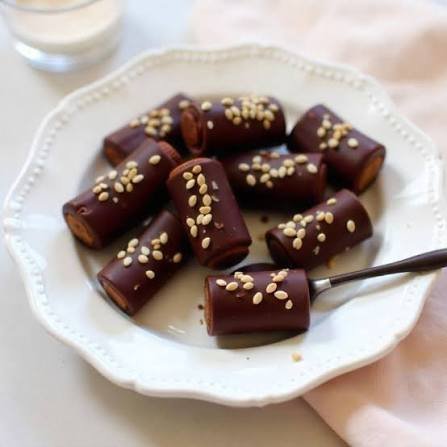
That’s the whole point of the Chocolate Delighto line at Stevia Delighto. Stevia instead of sugar alcohols, made fresh in Lahore instead of sitting in a warehouse, made to taste like chocolate instead of a medical substitute for it. If you’ve tried sugar-free chocolate before and written it off, it’s worth trying one made properly before deciding the category isn’t for you.